Clinical Insights into Joint discomfort in older adults 2026: causes and recognition
Many older individuals assume that muscle aches, stiffness, and localized joint pain are simply unavoidable consequences of aging 1 2. However, medical data indicates that persistent joint pain should not be ignored 2 3. Up to 70 percent of individuals aged 65 and older suffer from joint pain, demonstrating that it is a widespread clinical concern 3. Properly identifying the underlying causes of this discomfort is essential to maintaining functional mobility and long-term independence.
Distinguishing Mechanical Wear from Inflammatory Pathways
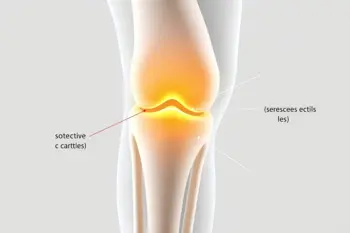
To provide effective clinical care, practitioners must differentiate between mechanical wear and systemic inflammatory pathways. Osteoarthritis represents the most frequent form of degenerative joint disease, affecting approximately 50 to 70 percent of older adults 4. This condition is characterized by the gradual breakdown of protective cartilage 1. Because cartilage lacks a direct blood supply, it relies on movement pressure to circulate nutrient-rich synovial fluid to support joint tissues 4.
In contrast, inflammatory joint diseases are driven by autoimmune mechanisms where the immune system targets healthy tissues 5 6. While mechanical osteoarthritis pain typically worsens with activity and improves with rest, inflammatory arthritis behaves in the opposite manner 1. Patients with inflammatory conditions often experience pain even at rest, accompanied by visible swelling, warmth, and morning stiffness that lasts longer than 30 to 60 minutes 1 2.
The Role of Inflammaging and Senescence-Associated Secretory Phenotypes
Recent scientific literature highlights the critical role of inflammaging, which is the chronic, low-grade systemic inflammation that naturally intensifies with age 7 8. At the cellular level, aging chondrocytes and synovial macrophages undergo cellular senescence, resulting in a state known as the senescence-associated secretory phenotype 8. This state drives the persistent secretion of pro-inflammatory cytokines, chemokines, and destructive proteases that accelerate cartilage degradation 8.
This chronic inflammatory state complicates the presentation of standard mechanical wear, blending elements of metabolic and systemic inflammation within both weight-bearing and non-weight-bearing joints 9. Emerging pharmacological therapies are currently investigating small-molecule agents, such as metformin and rapamycin, for their potential to modulate these pathways 8. Understanding these molecular underpinnings helps clinicians appreciate why older adults frequently present with overlapping symptoms.
Clinical Challenges in Elderly-Onset Rheumatoid Arthritis
Evaluating joint discomfort is particularly complex when dealing with elderly-onset rheumatoid arthritis and other seronegative inflammatory disorders 7 10. Seronegative inflammatory arthritis refers to a heterogeneous group of joint disorders occurring in patients over 60 years of age who lack classic serum biomarkers 7. The absence of these antibodies often delays diagnosis, as clinicians may initially misinterpret the symptoms as standard degenerative wear 7.
To address these challenges, clinicians utilize established geriatric assessment tools, such as the 5Ms framework, which evaluates mobility, medications, and multicomplexity 10 11. Managing these conditions requires balancing therapeutic efficacy against patient vulnerability 7. Older adults are highly susceptible to glucocorticoid toxicity, which is why clinical guidelines suggest a conservative start low and go slow methodology when initiating glucocorticoids 7.
Epidemiology and the Global Burden of Musculoskeletal Decline
The epidemiological footprint of joint conditions remains high. Over 50 percent of the population above the age of 65 experiences some level of joint discomfort 12 13. Globally, the prevalence of osteoarthritis continues to rise, heavily driven by population aging, systemic obesity, and distinct sex-specific patterns 9. In the United States, the Centers for Disease Control and Prevention reports that approximately 25 percent of all adults have doctor-diagnosed arthritis 14.
Knee osteoarthritis is documented as the most common joint site, followed closely by hand and hip osteoarthritis 9. In addition, more than 2 million adults in the United States suffer specifically from rheumatoid arthritis, with women being more likely than men to develop the disease 6. Beyond physical limitations, joint discomfort represents a major driver of secondary health issues, including chronic sleep disruption 14.
Environmental and Physiological Triggers of Discomfort
Beyond intrinsic structural wear, several external and physiological factors can exacerbate joint discomfort. Seasonal shifts and cold environments have been shown to increase pain sensitivity and muscle stiffness 15. When the body is exposed to cold temperatures, peripheral blood vessels constrict to preserve core heat, reducing vital circulation to the extremities 15. This reduction in localized blood flow limits the delivery of oxygen and nutrients to joint tissues 15.
Physiological shifts, such as hormone fluctuations, also play a significant role. In women, the marked drop in estrogen levels during menopause directly impacts collagen production, accelerating the loss of joint flexibility 16. Furthermore, modern epidemiological updates point to emerging lifestyle risk factors, including high consumption of ultra-processed foods and muscle atrophy due to sedentary living, all of which fuel systemic inflammatory pathways 9 17.
Diagnostic Recognition and a Tailored Clinical Approach
An effective diagnostic approach requires a systematic evaluation of symptom distribution, joint stability, and historical triggers. Clinicians must actively monitor for red-flag symptoms, such as sudden and severe pain, localized warmth, and fever, which can signal medical emergencies like septic arthritis 18. Widespread joint pain affecting five or more joints, known as polyarthralgia, necessitates a broad systemic evaluation to rule out underlying metabolic or thyroid disorders 3.
Once a specific cause is established, management should be personalized to the patient's functional goals 7. Initial clinical interventions typically emphasize low-impact exercises, weight management, and physical therapy to strengthen the supporting muscle groups 17. By avoiding the misconception that joint discomfort is merely an unavoidable consequence of aging, both clinicians and patients can collaborate to preserve physical independence 2 3.
Sources
- Carson Tahoe Health (https://blog.carsontahoe.com/joint-pain-in-older-adults/)
- Aaria Rheumatology (https://aariarheumatology.com.sg/joint-pain-not-just-ageing/)
- Bottom Line, Inc. (https://www.bottomlineinc.com/health/pain/what-causes-joint-pain-all-over-the-body-common-reasons-symptoms-and-when-to-seek-help/)
- Pain Relief Chiropractic (https://painreliefcare.net/2026/07/14/joint-pain-is-not-always-about-just-getting-older/)
- Vitals Vault (https://www.vitalsvault.com/symptoms/joint-pain-in-60s)
- UCSF Health (https://www.ucsfhealth.org/care/conditions/rheumatoid-arthritis)
- The American Journal of Medicine (https://www.amjmed.com/article/S0002-9343(26)00283-4/abstract)
- Frontiers in Immunology (https://www.frontiersin.org/journals/immunology/articles/10.3389/fimmu.2026.1850495/full)
- Pain Research Forum (https://painresearchforum.org/paper/epidemiology-of-osteoarthritis-2026-update-of-the-evidence)
- JAMA Internal Medicine (https://doi.org/10.1001/jamainternmed.2026.2032)
- The Curbsiders Podcast (https://thecurbsiders.com/curbsiders-podcast/493-joint-pain-in-older-adults-with-dr-una-makris)
- Sri Ramakrishna Hospital (https://www.sriramakrishnahospital.com/blog/orthopaedics/is-joint-pain-just-a-part-of-growing-old-what-should-you-know/)
- CyVigor (https://cyvigor.com/article/do-muscle-aches--pains-accompany-old-age)
- The Ergo Report (https://theergoreport.com/articles/joint-pain-after-60-is-wrecking-sleep-cdc-arthritis-data-explains-why/)
- Mission Creek Senior Living (https://www.missioncreekseniorliving.com/why-cold-temperatures-increase-joint-discomfort-in-older-adults/)
- Terri Steffes Blog (https://www.terristeffes.com/2026/07/why-joint-stiffness-gets-worse-in-your.html)
- Mega We Care (https://www.megawecare.com/wellness-we-care/healthy-aging/knee-joint-pain-causes-older-adults)
- Coastal Carolinas Interventional Spine (https://www.coastalcarolinasinterventionalspine.com/joint-pain-and-aging/)
Authored by ZenSpotter team