Does Medicare Cover Dental Implants for Seniors
Does Medicare Pay for Dental Implants
In today's healthcare landscape, where awareness of dental health is more critical than ever, individuals often wonder about the role of Medicare when considering dental implants. A smile can significantly impact one's confidence and social life, yet navigating the complexities of Medicare coverage can be daunting. So, the pressing question remains: Does Medicare pay for dental implants? The answer is multifaceted and hinges on several key factors that we will explore in detail.
Understanding Medicare Coverage Basics
Medicare, primarily aimed at individuals aged 65 and older, comprises different segments that cover various health services. It’s vital to grasp these segments—namely Medicare Part A and Part B—to determine the scope of coverage available for dental procedures.
Medicare Part A typically includes inpatient care, such as hospital stays and skilled nursing facility care. Part B, on the other hand, covers outpatient services, including doctor visits and some preventive care. Unfortunately, dental procedures, particularly dental implants, don’t qualify for coverage under either part. They are generally viewed as routine dental care, which is classified as not medically necessary according to traditional Medicare guidelines.
Exceptions to Medicare Dental Coverage
While Medicare does not cover dental implants directly, there are scenarios where Medicare may fund related services. For instance, if a dental procedure is essential for a medical condition—like jaw reconstruction required after an accident or surgery resulting from cancer treatment—there's a possibility for coverage. These instances, however, are uncommon and require substantial documentation to justify their necessity to Medicare.
For seniors grappling with the costs of dental implants, understanding when Medicare may contribute can form a part of their financial planning strategy. It is advisable for individuals to consult with their healthcare provider to discuss any specific circumstances that may warrant Medicare coverage.
Exploring Alternative Dental Coverage Options
The lack of dental implant coverage under traditional Medicare leaves many individuals seeking alternatives. Fortunately, there are a few options that beneficiaries can explore:
- Medicare Advantage Plans: Also known as Part C, many Medicare Advantage plans provide additional benefits, including dental coverage. Depending on the specific plan, some beneficiaries may find coverage for a portion of dental implants, which makes comparing various plans essential during enrollment periods.
- Stand-alone Dental Insurance: Purchasing a separate dental insurance policy can also be an effective solution. Many stand-alone options are tailored for retirees and can cover routine dental services, including implants. Finding a plan that aligns with your budget and needs is worthwhile.
- Discount Dental Plans: Though not insurance, these plans offer discounts on dental procedures at participating dental practices. They can be a practical alternative for those seeking affordability in their dental care, including implant costs.
The Financial Implications of Dental Implants
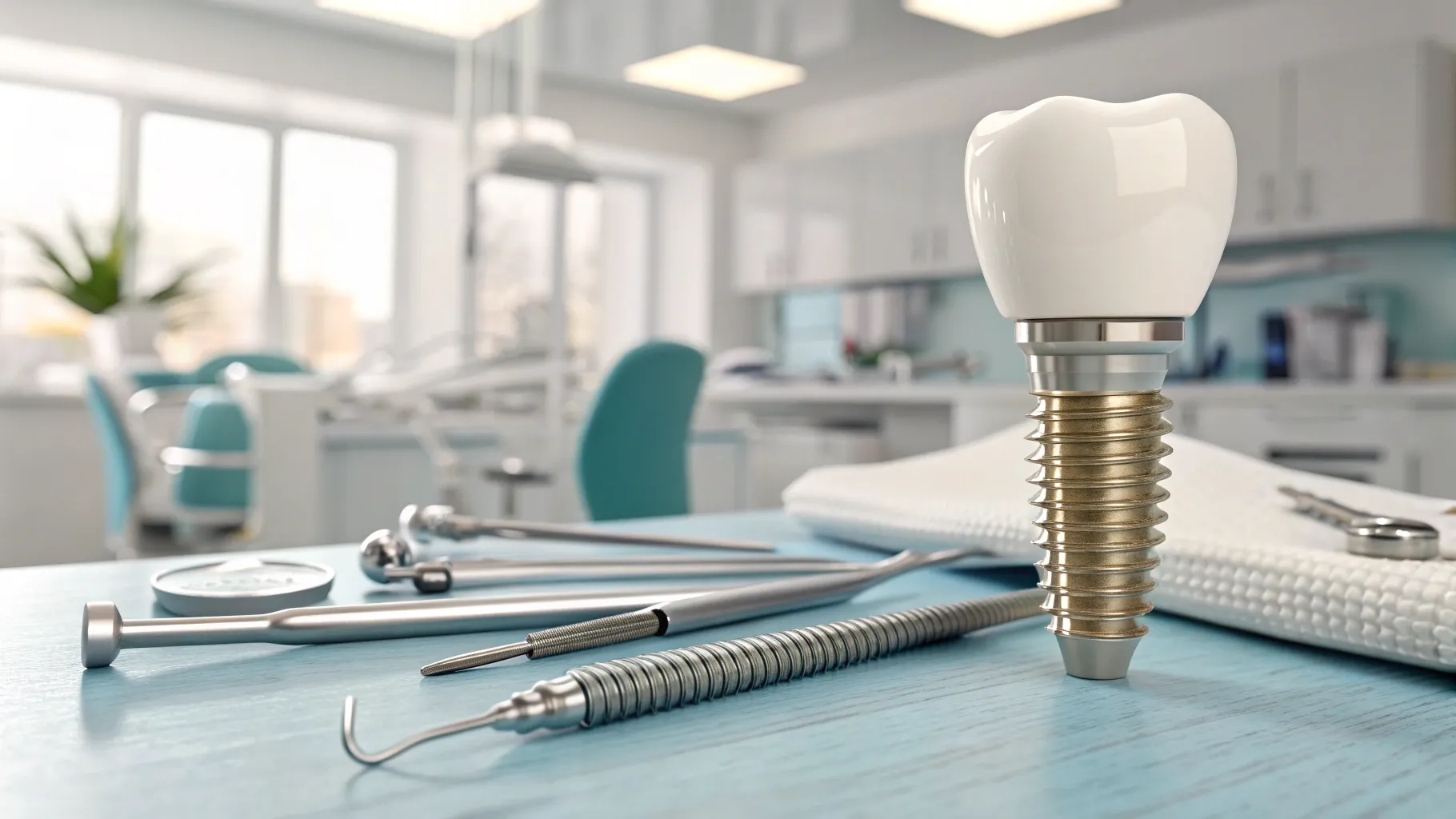
When considering dental implants, it's imperative to understand the associated costs. As of early 2025, the average total cost of a single dental implant in the United States ranges from $3,000 to $4,500. This cost generally encompasses several components: the titanium implant, the abutment, and the crown. Additional costs may arise from preliminary procedures, like bone grafting, especially if you’ve experienced significant tooth loss.
Although the initial outlay may seem steep, dental implants are often praised for their durability, presenting a long-term solution that may last years, or even a lifetime, with proper maintenance. Individuals should weigh these long-term benefits against the upfront costs when contemplating their options.
Managing the Cost of Dental Implants
Effective financial planning is essential when embarking on the journey to get dental implants, especially when direct coverage from Medicare is not available. Here are a few strategies to consider that can alleviate the financial pressure:
- Payment Plans: Many dental practices now offer financing options, enabling patients to distribute the cost over time rather than face a hefty upfront payment. It's essential to discuss these plans with your dentist during your initial consultation.
- Health Savings Accounts (HSAs): If you have a Health Savings Account, using pre-tax dollars to cover dental implants can significantly reduce your financial burden. This option is especially beneficial for retirees who have set aside funds for medical expenses.
Real-Life Experiences Highlighting the Value of Dental Implants
Personal stories can illuminate the significant impact dental implants can have on individuals’ lives. Take the example of Sarah, a vibrant 68-year-old woman whose dental health had severely deteriorated due to periodontal disease. Initially, she was disheartened to discover that neither Medicare nor her existing dental insurance would cover the implants. However, by exploring her Medicare Advantage plan, she uncovered dental benefits that substantially reduced her out-of-pocket expenses.
After undergoing the procedure, Sarah noticed dramatic improvements not only in her oral health but also in her overall confidence. She shared how she felt liberated to engage in social activities without the burden of feeling self-conscious about her smile. Sarah’s tale underscores the importance of thoroughly investigating Medicare and other coverage options to find the best pathway for necessary dental procedures.
Securing the Right Dental Care
Dental implants serve as a lasting solution for individuals seeking restoration after tooth loss. While traditional Medicare may not cover this type of procedure, various options exist to expand coverage and ease financial strains. Medicare Advantage plans, stand-alone dental insurances, and discount plans can provide substantial assistance, enabling retirees to invest in their health and well-being.
As you explore the landscape of dental implants, remember that proactive research and understanding your unique healthcare options can significantly impact your experience. Engaging with healthcare providers and insurance representatives will help you uncover the best coverage tailored to your needs. You deserve to enjoy the confidence that comes from a healthy, beautiful smile—a goal achievable with the right financial and medical support.
Authored by ZenSpotter team