Effective Spinal Stenosis Treatment Options for Pain Relief
Understanding Spinal Stenosis Treatment Options
Spinal stenosis is a condition that millions of people grapple with day in and day out. It's a narrowing of the spinal canal that can place pressure on the spinal cord and nerves, leading to issues like pain, numbness, and weakness in the limbs. In 2025, many individuals are searching actionable solutions for spinal stenosis treatment that enhance their overall quality of life. Thanks to advancements in medical technology and treatments, patients now have a wealth of options tailored to their specific needs.
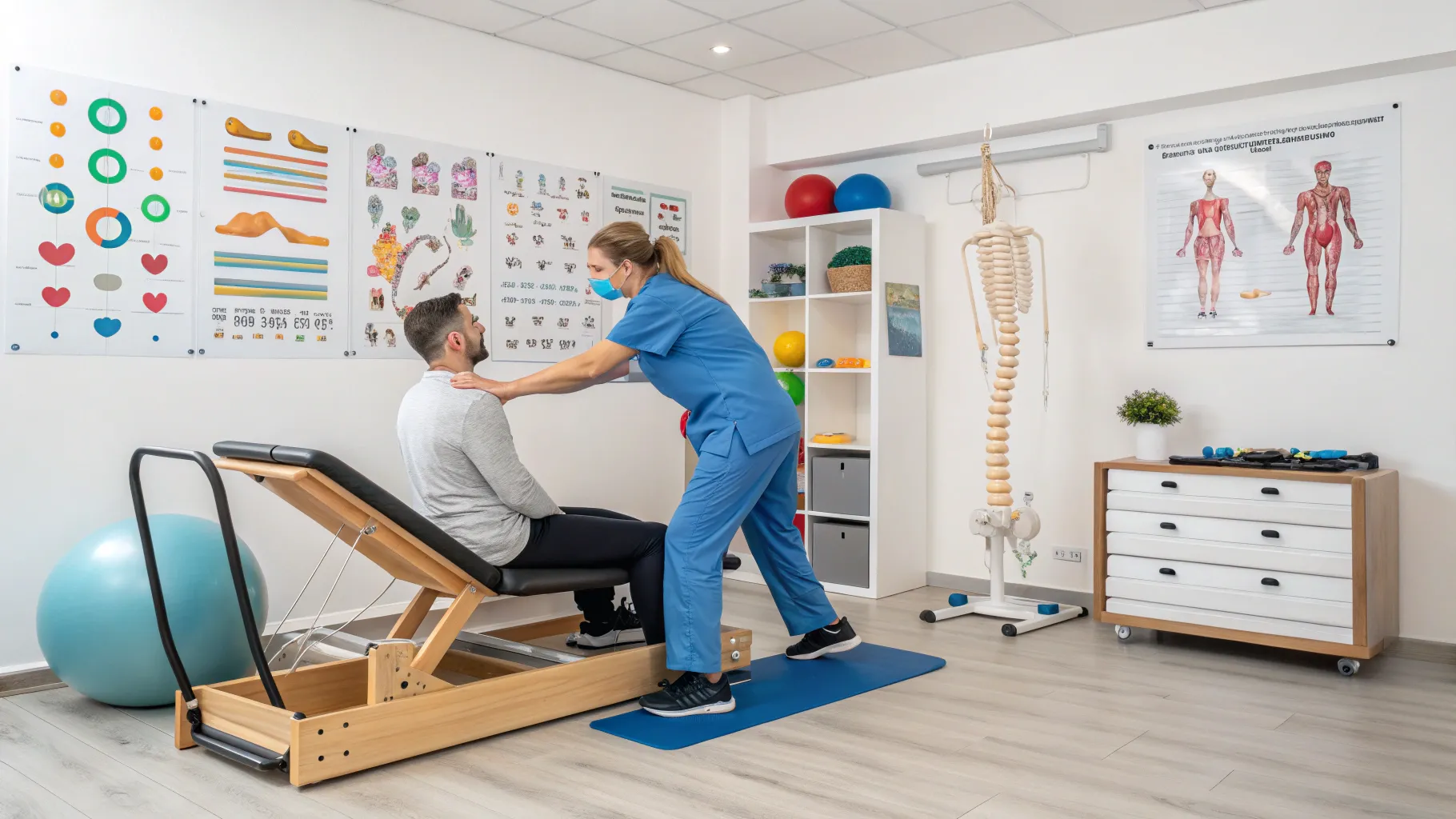
Initially, most patients seek the best treatment for stenosis that avoids the rigors of surgery. Non-surgical treatments remain the cornerstone of initial care, emphasizing pain management, flexibility, and functional exercises. Here are several non-invasive approaches:
- Physical Therapy: Personalized programs targeting strength and flexibility are crucial. Recent studies show that tailored physical therapy can improve quality of life significantly, with one study noting a 40% enhancement in mobility over six months.
- Medications: Commonly used options include nonsteroidal anti-inflammatory drugs (NSAIDs) and corticosteroids that can effectively manage inflammation and discomfort.
- Chiropractic Care: Some patients derive benefits from skilled spinal manipulation, but it's vital to choose professionals knowledgeable about stenosis.
- Injections: Epidural steroid injections can offer significant pain relief by targeting inflammation around the spinal nerves.
Minimally Invasive Surgical Options
When conservative treatment options fail to alleviate suffering, many patients may consider minimally invasive spinal surgery. Advances in surgical techniques have revolutionized patient care, leading to safer procedures with quicker recovery periods than traditional open surgeries. Today's options are designed to minimize disruption while effectively addressing the causes of stenosis.
Several popular minimally invasive therapies include:
- Laminectomy: In this procedure, the lamina—the bony arch of the vertebra—is removed to relieve pressure on the spinal cord and nerve roots. Studies reflect considerable success rates, often exceeding 80% in alleviating symptoms.
- Mikrosurgery: Utilizing cutting-edge visualization technology, surgeons can perform decompression surgeries through smaller incisions, resulting in reduced pain and shorter recovery times.
- Interspinous Process Devices: These stabilization devices fit between the spinous processes and can help relieve nerve compression in cases of lumbar stenosis. Recent reports highlight improved patient outcomes with less need for prolonged rehabilitation.
As surgical options advance, the introduction of robotic-assisted surgeries has further enhanced safety and precision, allowing surgeons to achieve better results while minimizing patient discomfort. Consulting with top spine specialists near you is crucial; they can evaluate your particular situation and guide you toward the most effective treatments.
Addressing Neck and Back Stenosis Solutions
Spinal stenosis can affect various regions, notably the neck (cervical stenosis) and lower back (lumbar stenosis). Treatment approaches can differ based on the specific location and severity of the condition. In the case of cervical stenosis, treatment often centers on enhancing neck mobility and reducing nerve compression. In contrast, therapies for lumbar stenosis mainly emphasize alleviating lower back pain.
Recent studies, including one from early 2025, illustrate the success of individually crafted exercise programs. These programs target the unique needs of those suffering from myelopathic symptoms. Participants engaged in structured physical therapy reported significant improvements in their strength and flexibility, which translated into a greater reduction in overall pain levels.
Beyond conventional treatment avenues, many individuals also explore lifestyle changes and alternative therapies to alleviate symptoms:
- Acupuncture: Gaining traction in recent years, this ancient practice has helped many patients find significant relief by stimulating specific points in the body.
- Yoga and Pilates: Both practices emphasize core strength, flexibility, and controlled breathing—elements that can contribute to enhanced spinal support and pain management.
- Weight Management: Achieving a healthy weight can significantly reduce stress on the spine, enhancing overall mobility and diminishing discomfort.
- Heat and Cold Therapies: Alternating between heat and cold applications can soothe muscles and help alleviate pain for many individuals.
Understanding Spinal Stenosis Treatment Costs
The financial considerations surrounding spinal stenosis treatment can be daunting. Costs can widely vary depending on the selected treatment option, as well as geographical location. While conservative therapies and lifestyle changes tend to be more affordable, surgical options can represent a substantial investment. In 2025, the average cost of procedures often ranges from $20,000 to $50,000, influenced by the complexity of the surgery and the healthcare facility.
Health insurance coverage can significantly affect out-of-pocket expenses related to treatments. Many plans encompass both non-surgical and surgical interventions, though specifics can differ. Fortunately, hospitals often provide financial counseling services to assist patients navigating potential costs.
Before undertaking any treatment path, patients should have in-depth discussions about their options, including costs, anticipated outcomes, and what may constitute the best treatment for stenosis based on their personal situations. Engaging with healthcare professionals who specialize in spinal care maximizes the opportunity for positive results.
As we continue to see innovation in spinal stenosis treatment in 2025, patients can find an exhaustive range of options designed to align with their lifestyles and unique healthcare needs. Staying informed and proactive in treatment decisions empowers individuals to regain mobility and enhance their quality of life.
Authored by ZenSpotter team