Explore Dialysis Tech Training Programs in South Africa
Everything You Need to Know About Dialysis Tech Training Programs in South Africa
Dialysis technicians are crucial in the healthcare system, especially as kidney-related diseases remain a significant health challenge in South Africa. With the emerging need for skilled professionals in this area, understanding the landscape of training programs for dialysis technicians becomes essential. This article will explore the various educational paths available, necessary preparation before applying, and key admission criteria that aspiring dialysis technicians should be aware of.
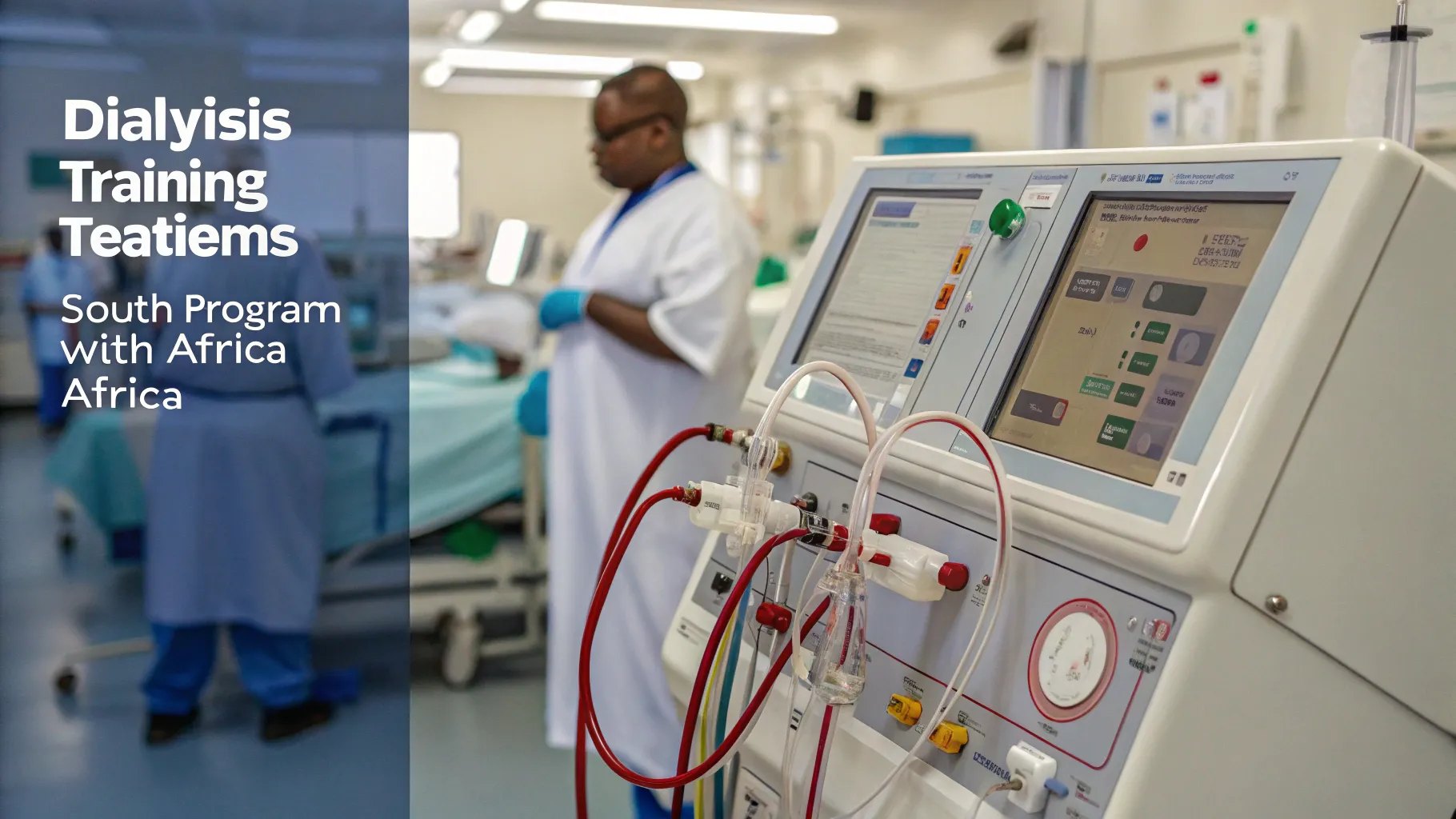
Dialysis Tech Training Programs Offered in South Africa
In South Africa, a variety of institutions provide specialized training programs for aspiring dialysis technicians. These programs are designed to accommodate various educational backgrounds and career objectives. Below are some noteworthy options:
- Universities: For instance, Wits University offers a comprehensive degree in nephrology nursing, which integrates essential modules on renal replacement therapies, including dialysis techniques and patient management strategies.
- Technical Colleges: Institutions like Cape Peninsula University of Technology offer specialized programs focusing on practical training with dialysis machines, ensuring that students gain hands-on experience.
- Private Training Institutions: Several private entities provide short-term courses specifically catering to dialysis care. These programs can range from six months to one year and aim to develop practical skills quickly.
- Online Learning Options: The digital learning landscape has expanded, allowing institutions to offer programs such as the Dialysis Technician Certification Program online. This flexibility benefits prospective students who have work commitments or other responsibilities.
Most of these programs combine theoretical knowledge about renal function and anatomy with practical training on dialysis machines, creating well-rounded technicians ready to enter the workforce.
Curriculum of Dialysis Technician Training
The educational agenda for dialysis technician training typically involves a range of core topics vital to the role:
- Introduction to Nephrology: A foundational overview of kidney functions, various kidney disorders, and overall renal anatomy.
- Dialysis Techniques: In-depth training on hemodialysis and peritoneal dialysis, focusing on their procedures, indications, and patient management.
- Machine Operations: Hands-on experience in operating dialysis machines, troubleshooting, and routine maintenance. This includes adhering to safety protocols to ensure patient safety.
- Patient Care: Essential interpersonal skills are emphasized in this component, focusing on effective communication, education, and empathetic patient engagements, which are critical in healthcare settings.
- Clinical Practice: Practical training in a clinical environment under the guidance of experienced professionals solidifies students' learning and prepares them for real-world situations.
On average, these programs last from six months to two years, depending on the institution and course structure. Recent statistics indicate that over 85% of graduates secure employment in the healthcare sector within six months, highlighting the strong demand for qualified technicians.
Preparation Before Applying for Dialysis Tech Programs
Before diving into dialysis technician training, potential candidates should consider several important factors:
- Background Knowledge: A solid grasp of human biology is beneficial, particularly an understanding of the urinary system. Prospective students should review anatomy and physiology fundamentals prior to applications.
- Commitment to Care: This role requires a dedication to patient care and empathy, as dialysis technicians often work with patients battling chronic illnesses. Appreciating the emotional aspects of patient interactions is essential.
- Physical Requirements: The job can be physically demanding. Technicians may need to assist with lifting patients and managing long shifts in clinical settings, which requires both stamina and resilience.
- Certification Standards: Completing a recognized training program is crucial; many employers prefer candidates with certifications from accredited bodies. It is wise for applicants to familiarize themselves with specific local certification requirements.
- Ongoing Education: As advancements in nephrology continue to evolve, a commitment to continuing education through workshops or additional courses post-certification significantly improves professional growth and job prospects.
Recent developments show that partnerships between healthcare facilities and educational institutions have improved internship placements and job shadowing opportunities, thus bridging the gap between theory and practice and enhancing the employability of graduates.
Admission Criteria for Dialysis Technician Programs
While different training programs might have varying admission requirements, several common criteria exist, including:
- Minimum Educational Qualifications: Most programs necessitate at least a high school diploma. Some advanced certifications might require a background in health sciences or nursing.
- Age Requirement: Candidates must typically be at least 18 years old, ensuring legal eligibility to work in clinical environments.
- Medical Clearance: Given the nature of the role, applicants may need to undergo medical assessments to confirm their fitness for working within healthcare settings.
- Background Screening: Many programs implement background checks to ensure the safety of patients, especially vulnerable populations.
- Interviews and Personal Statements: Some institutions may request a personal essay detailing the candidate's interest in the program alongside an interview to gauge their suitability for the role.
Ranking high in the healthcare job market is increasingly vital. Enrolling in a dialysis tech training program sets the foundation for a rewarding career amidst the growing prevalence of renal diseases in South Africa. Interested individuals should seize this opportunity to become a key player in the healthcare system and contribute to improving patient care.
Authored by ZenSpotter team